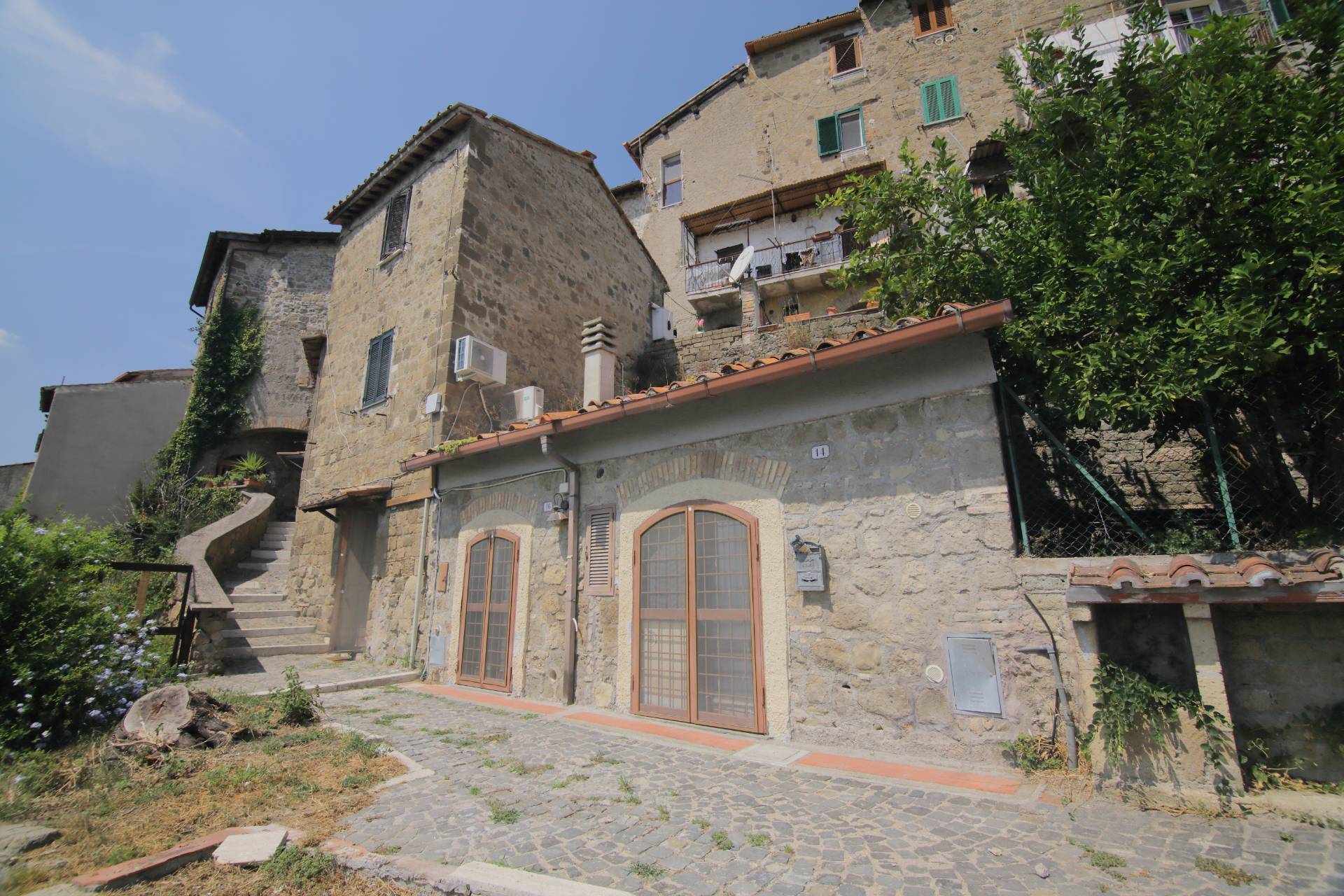
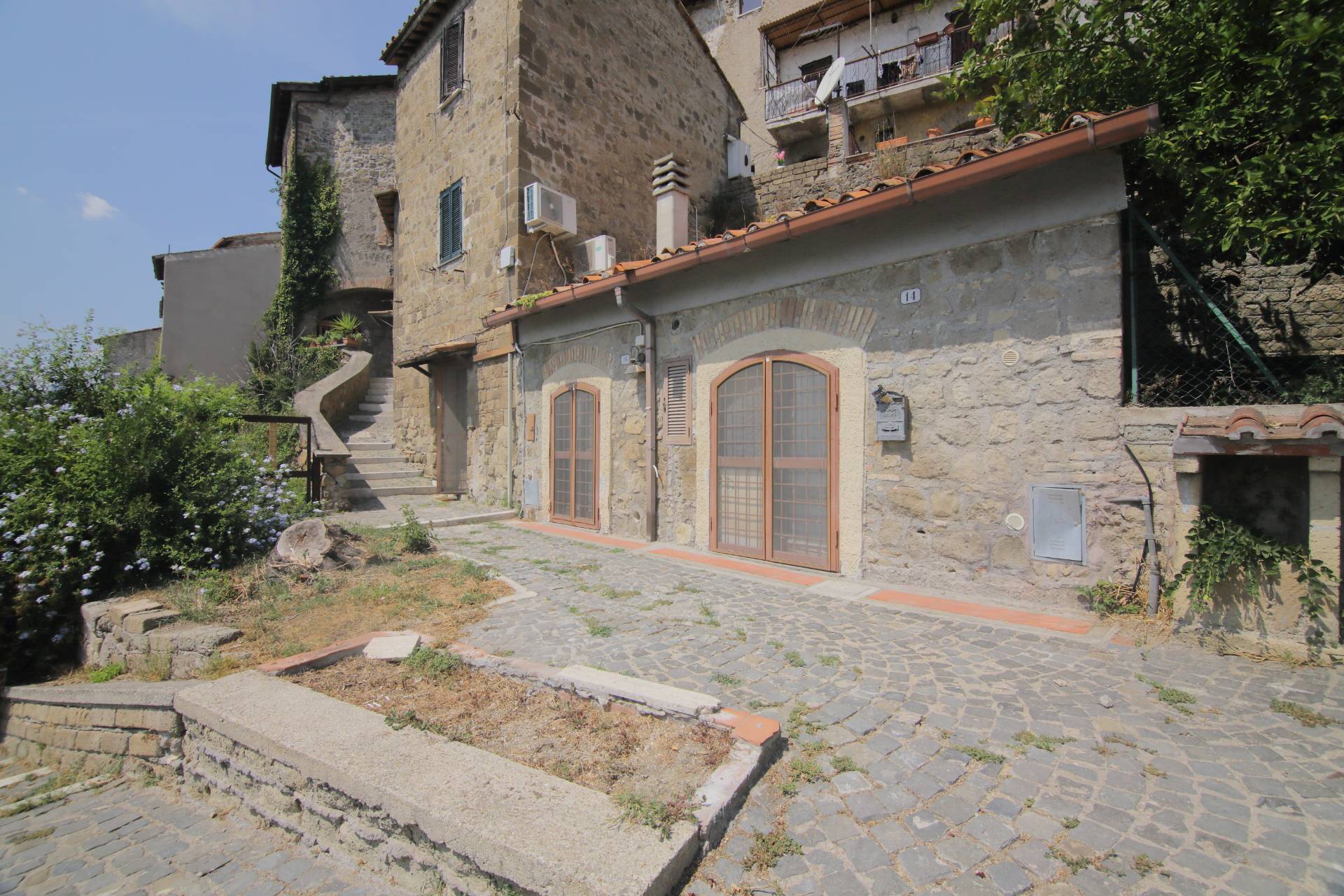
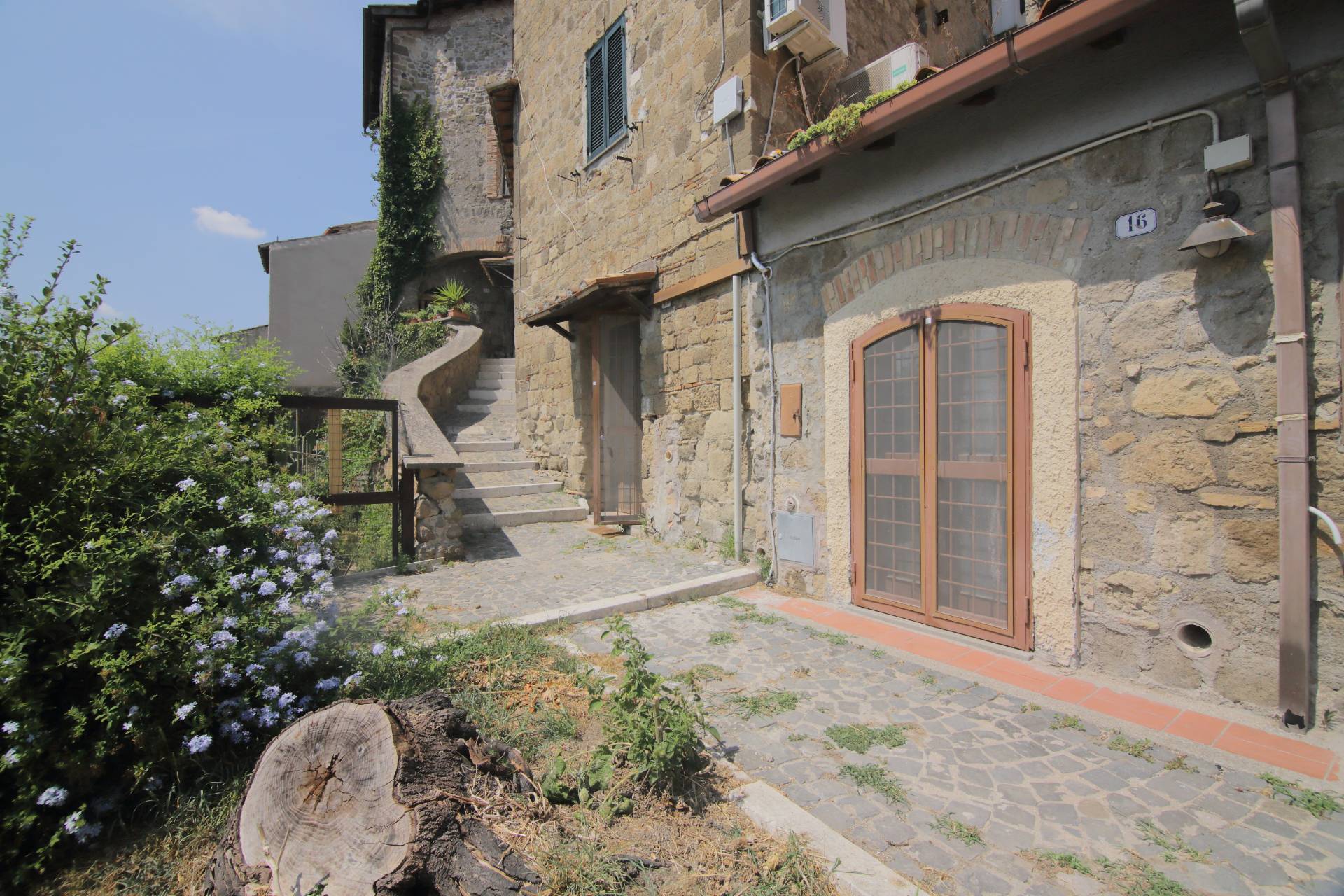
We offer for sale in Castelnuovo di Porto and more precisely in Via Della Porticella a three-room apartment on the ground floor with independent entrance
The property, available upon deed, has a total surface area of 84 m², of which 72 m² is habitable, and comprises a living room with open-plan kitchen and fireplace, a bedroom and a mezzanine bedroom with a designer staircase, a closet, a bathroom, a storage room, and a cellar.
The apartment is ready to be moved into.
Ideal for those looking for a comfortable and functional solution in a quiet and well-served area.
SPECIAL NOTES:
It is very bright throughout the day.
Railings, mosquito nets, wooden beams, terracotta floors, fireplace.
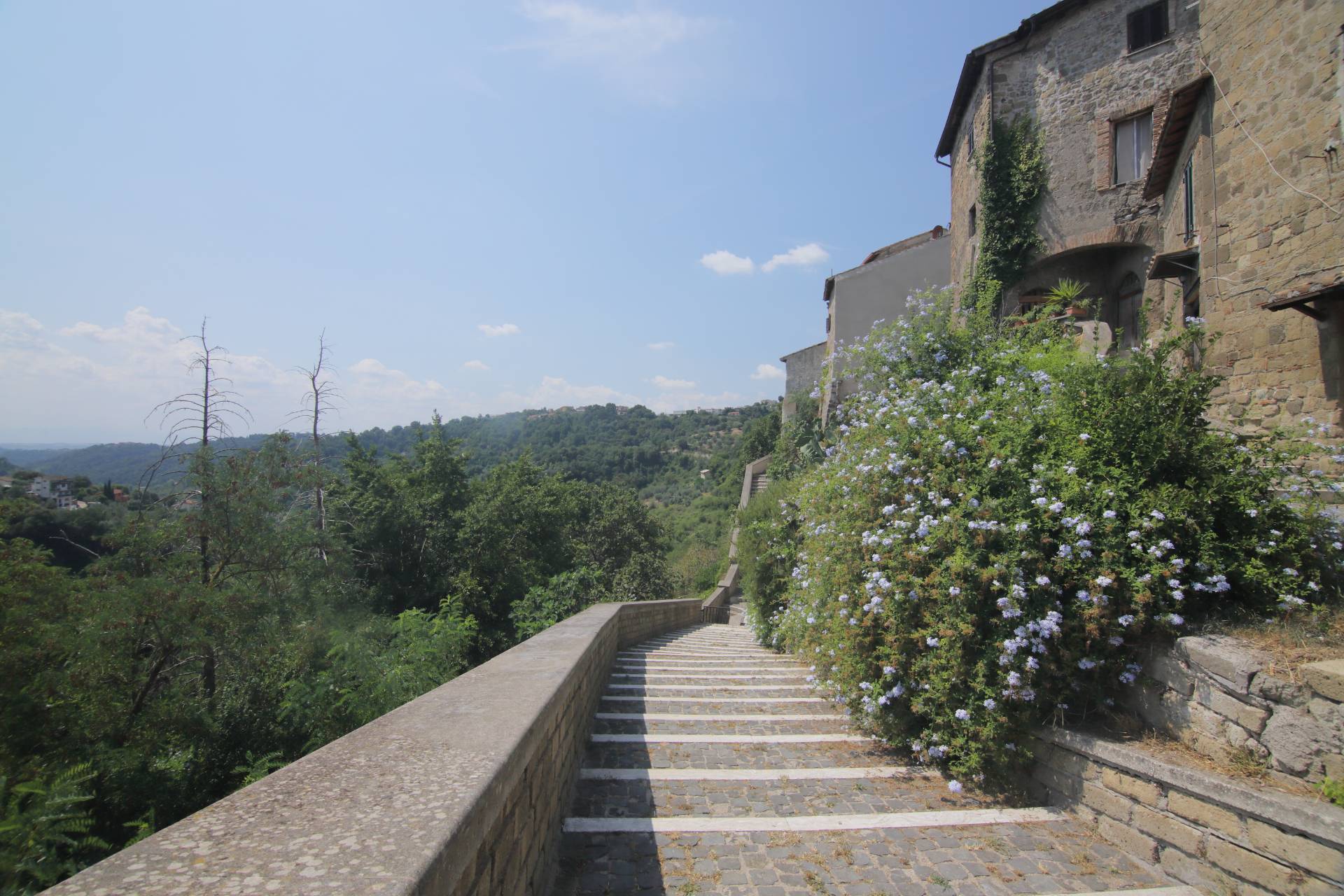
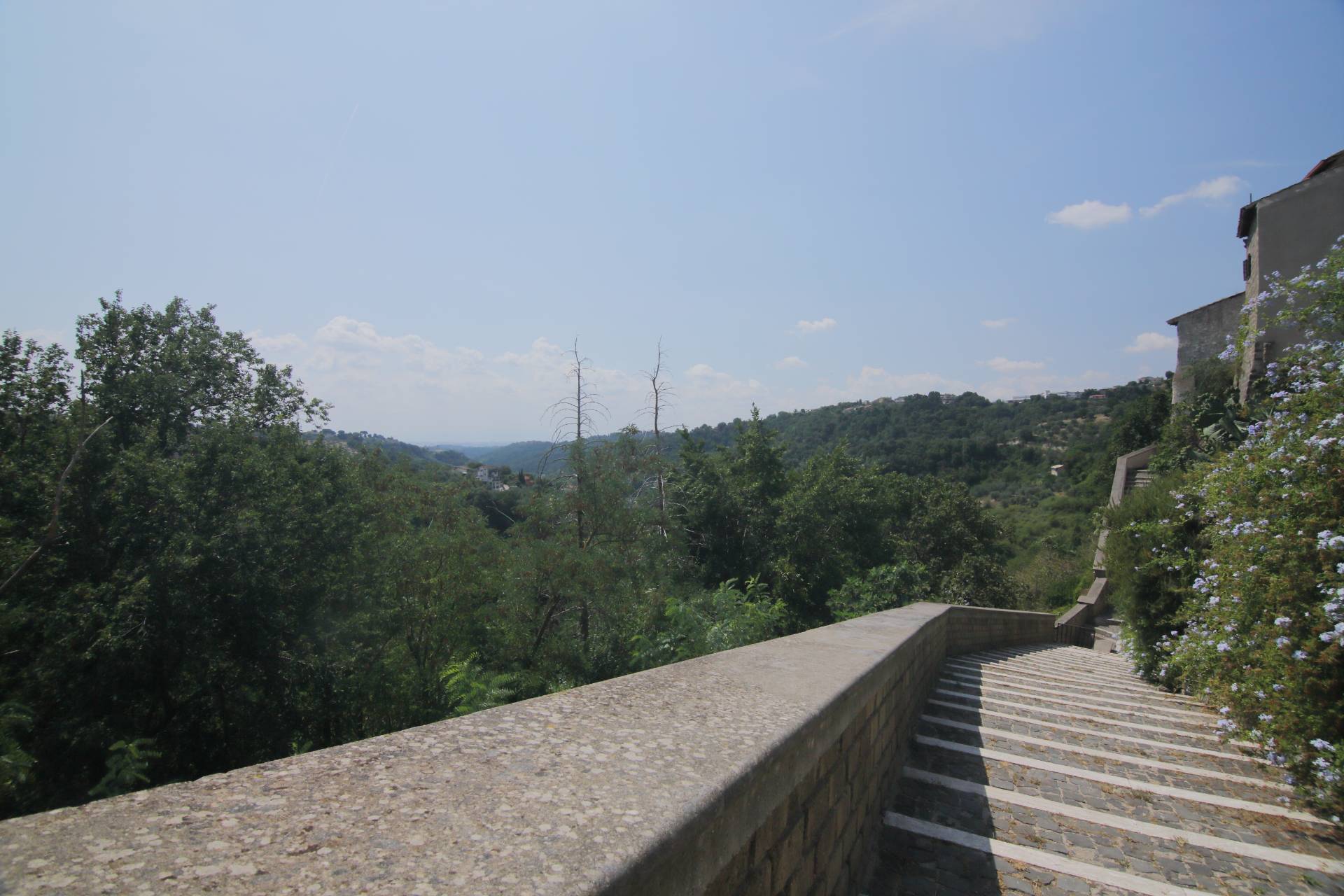
Castelnuovo di Porto sits on a ridge, a tuff spur nestled between the Chiarano and Mola valleys, a short distance from the Via Flaminia. The imposing Rocca Colonna fortress, at the highest point of the village, dominates the landscape.
The origins of the oldest part of the village are uncertain: the name Castelnuovo di Porto suggests the reconstruction of a "new castle" on the site of an earlier one. The first fortification, which occurred before the year 1000, was commissioned by the Roman prince and senator Alberico, son of Marozia. Over the centuries, the village developed around the castle in concentric circles and still maintains its medieval layout, with the characteristic shape of the houses sloping down from the castle perched atop the hill. Once surrounded by farmhouses and tuff quarries, Castelnuovo likely resembled the village depicted in the 15th-century fresco in the apse of the small church of San Sebastiano. Also in the 15th century, the Colonna family, who succeeded the Benedictines in ownership of the village, fortified the perimeter of the town with massive walls punctuated by circular turrets. And again, the Colonna family, Alessandro and Sciarra, are responsible for transforming the fortified fortress into a Renaissance palace. Within the city walls, northwest of the fortress, stands the collegiate church of Santa Maria Assunta, renovated several times over the centuries and flanked by a 13th-century bell tower. The ancient houses in Piazza Piave and Via del Garofalo hark back to the medieval layout.
The historic center of Castelnuovo di Porto is included in the Veio Regional Park, established in 1997 to protect the remaining biodiversity in areas profoundly transformed by human activity, such as this one on the outskirts of Rome. The landscape is agricultural and richly wooded; the most common trees are Turkey oak, downy oak, field maple, and black poplar. Among the animals present are the kite, the kestrel, the woodpecker, and the porcupine. Within the park, you can visit the ruins of Belmonte, a fortified early medieval rock village with a soaring tower, abandoned by its inhabitants besieged by the plague and the barbarians, who took refuge in the more protected "CastellumNovum." From this CastellumNovum, the view extends to the Tiber Valley, where Roman tuff quarries still stand, a precious material transported by river to Rome to build the city Caput Mundi.
Contact us today for a viewing: it will be a pleasure to help you discover this fascinating home.
The information and images included in the advertisement are indicative and cannot constitute documentary evidence.
.